

Women’s Equality Day: Tracing the Historic Milestone and the Unfinished Journey Toward Parity
Every year on August 26, Women’s Equality Day marks a watershed moment in democratic history: the hard-won recognition of women’s constitutional right to vote. While rooted in early 20th-century suffrage movements, the observance has evolved into a global reflection on gender parity, civil liberties, and equal opportunity in modern society.
The Origin: The 19th Amendment
The foundation of Women’s Equality Day dates back to August 26, 1920, when the 19th Amendment to the United States Constitution was officially certified. The amendment declared that the right to vote could not be denied or abridged on the basis of sex.
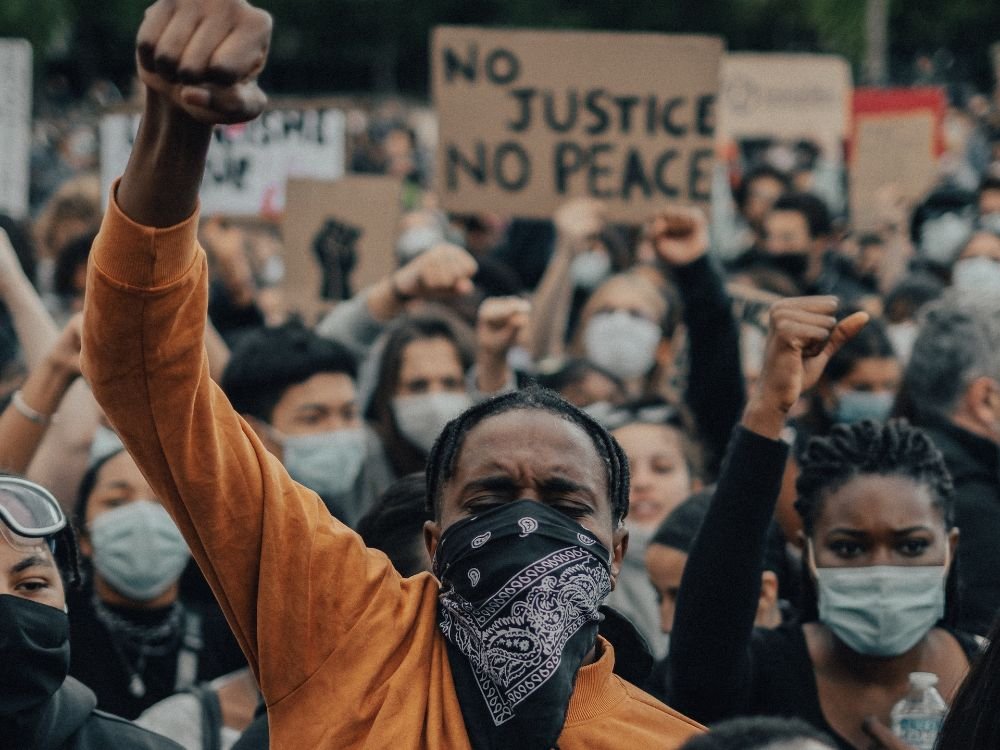
Decades later, in 1971, following nationwide demonstrations during the Women’s Strike for Equality, Representative Bella Abzug introduced a joint resolution in the U.S. Congress to designate August 26 formally as Women’s Equality Day. Congress passed the resolution in 1973, cementing the annual commemoration.
“True equality goes beyond statutory enactments—it requires creating everyday ecosystems where merit, safety, and leadership are free from gender bias.”
Why It Matters Today
While the day honors historic trailblazers who endured arrests, hunger strikes, and intense societal opposition, its modern relevance is expansive. International bodies and civic institutions observe the day to address pressing structural challenges:
- Economic & Pay Equity: Bridging the persistent wage gap and improving representation in executive leadership and STEM fields.
- Socio-Political Participation: Expanding grassroots democratic representation for women in governance and policy design.
- Access to Education & Healthcare: Removing systemic barriers that prevent women and girls from achieving full educational and entrepreneurial independence.
Looking Ahead
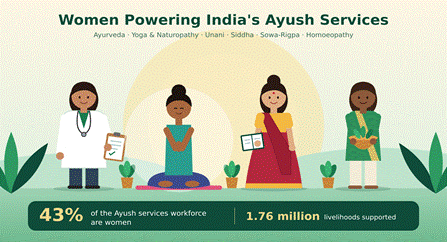
In regions worldwide, including initiatives across India to foster grassroots empowerment through self-help groups and digital literacy, the spirit of Women’s Equality Day remains vital. It serves as both a reminder of the ground gained through civil advocacy and a roadmap for ensuring universal equal rights.