


NASA Sets Live Coverage for Spacewalks Outside the International Space Station
WASHINGTON: The National Aeronautics and Space Administration (NASA) has announced comprehensive live coverage schedules for upcoming extravehicular activities (EVAs) outside the International Space Station (ISS), highlighting crucial maintenance and hardware upgrade campaigns aboard the orbital laboratory.
Upgrades to Power and Orbiting Communications
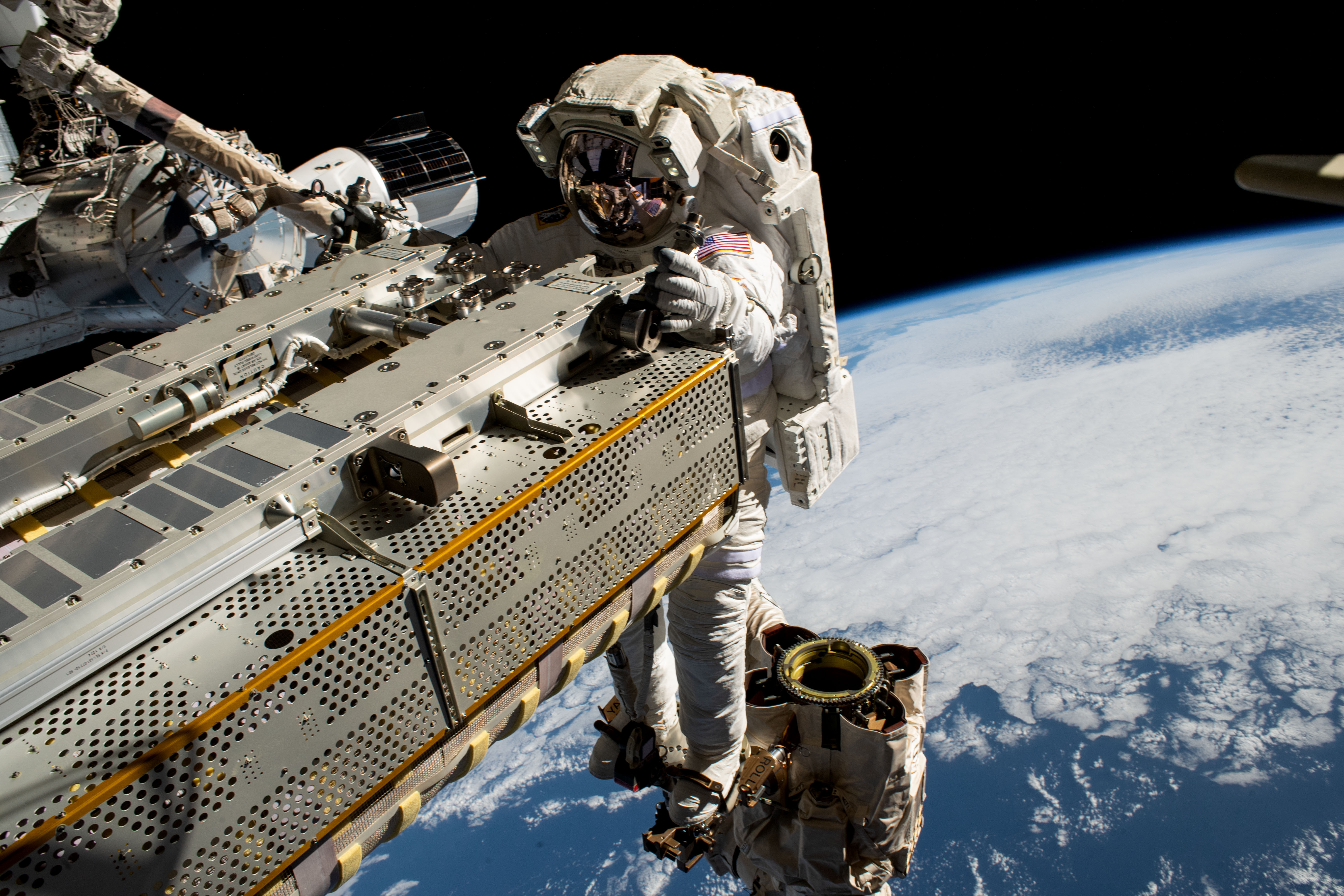
The scheduled spacewalks focus on two vital station objectives: bolstering power generation capabilities and upgrading external communications arrays. Crew members are tasked with continuing structural preparation on the station’s truss framework to support new International Space Station Roll-Out Solar Arrays (iROSA), along with swapping out aging space-to-ground antenna assemblies.
Each extravehicular operation is expected to span roughly six to seven hours in the vacuum of low Earth orbit. Flight engineers work tethered outside the Quest airlock, relying on high-precision robotics assistance operated from inside the complex by the Expedition flight crew.
Key Mission Objectives
- Power Harness Preparation: Mounting structural brackets on power channels to accommodate upcoming roll-out solar arrays.
- Antenna Replacement: Installing next-generation communications units to maintain reliable, high-speed data feeds between mission control and the station.
- Hardware Servicing: Conducting preventive checks and retrieving science payloads exposed to microgravity conditions.
Where and How to Watch Live
NASA will stream gavel-to-gavel coverage of each spacewalk across its official digital channels, including NASA+, the NASA App, and the agency’s official website. Live commentary will guide viewers through spacesuit donning, hatch opening, spacewalker movement along the exterior truss, and return to the airlock.
“These structural and power enhancements ensure the continuous reliability of the International Space Station as a global testbed for microgravity science and human spaceflight exploration.”
International space enthusiasts and readers across India can follow live feeds directly via NASA’s broadcast network, with real-time updates accessible through standard orbital tracking schedules.