

The Grinding Stalemate: Ukraine-Russia War Enters New Phase of Long-Range Attrition and High-Stakes Diplomacy
With frontlines locked in bitter attrition and deep-strike drone campaigns escalating, both Kyiv and Moscow face critical strategic choices on military endurance and negotiated outcomes.
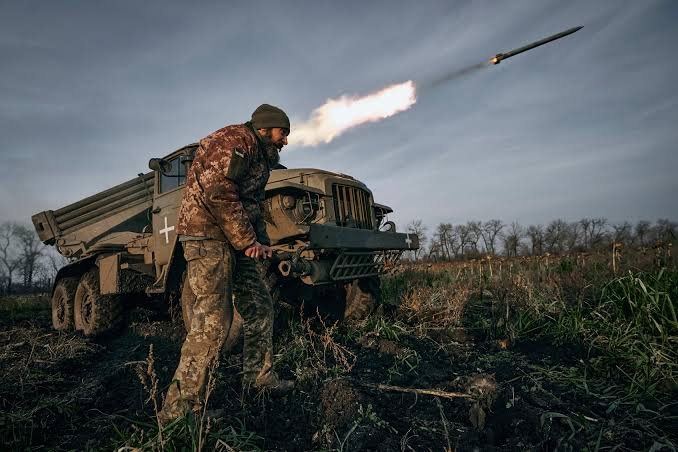
Over four years after the full-scale conflict began, the war between Russia and Ukraine has evolved from high-mobility ground offenses into a heavily fortified, technology-driven war of attrition. As high-intensity artillery duels, uncrewed aerial systems (UAS), and electronic warfare dominate the contact line, both sides are testing the strategic limits of economic sustainability and domestic resilience.
1. Present Battlefield Status: Frontline Fortifications & Deep Strikes
The ground war remains characterized by incremental positional battles across eastern and southern Ukraine. While territorial shifts in Donetsk, Luhansk, and Zaporizhzhia remain modest relative to earlier stages, the intensity of combat and casualty tolls have remained severe:
- Asymmetric Air & Drone Warfare: Ukraine has expanded its domestically developed long-range drone and missile capabilities, launching reciprocal strikes against logistics hubs, fuel depots, and defense facilities deep within Russian territory. Concurrently, Russian forces continue mass missile and drone salvos targeting power grids, manufacturing nodes, and urban centers.
- The Drone “Kill Zone”: First-person view (FPV) drones and pervasive thermal surveillance have rendered traditional armored breakthroughs near impossible, forcing combat into dispersed trench warfare and localized skirmishes.
- Naval Balance in the Black Sea: Ukrainian uncrewed surface vessels (USVs) and long-range precision strikes have constrained Russia’s naval freedom of maneuver, securing commercial maritime grain corridors out of Odesa despite ongoing aerial threats.
2. Key Metrics at a Glance
| Strategic Theater | Operational Status | Key Challenges |
|---|---|---|
| Eastern Front (Donbas) | Heavy positional warfare; continuous localized assaults. | Severe ammunition consumption, fortified urban strongholds, and high casualty rates. |
| Southern Sector (Zaporizhzhia & Dnipro) | Densely mined buffer zones and active drone surveillance. | River-crossing vulnerabilities and air defense density. |
| Strategic Depth & Infrastructure | Reciprocal strikes on industrial supply chains and energy nodes. | Grid repairs, air defense interceptor stockpiles, and civilian displacement. |
3. Future Pathways: Strategic Options Ahead
With total military victory remaining elusive for both combatants, military strategists and geopolitical analysts outline three distinct scenarios:
Scenario A: The Frozen Conflict & De Facto Demarcation
A prolonged stalemate could lead to an armistice modeled after the 1953 Korean Peninsula settlement. While formal territorial recognition remains politically untenable for Kyiv and legally fraught under international law, a negotiated cessation of active hostilities along fortified lines—backed by bilateral security pacts and international monitoring—could emerge if battlefield costs outstrip political utility.
Scenario B: Protracted Industrial & Economic Attrition
Should direct negotiations fail to gain traction, both nations could maintain an extended war of endurance. In this trajectory, Russia leverages its demographic depth and defense production capacity, while Ukraine relies on European defense industrial integration, domestic drone manufacturing, and sustained Western financial underwriting. The outcome would depend on economic resilience, defense supply lines, and internal political stability.
Scenario C: Multilateral Peace Framework & Security Architecture
A structured diplomatic off-ramp remains possible through intermediary engagement involving the Global South, China, and Western powers. Any comprehensive settlement would require binding compromises on sovereignty guarantees, regional non-alignment or NATO-adjacent security frameworks, Black Sea commercial shipping rights, and reconstruction funding mechanisms.
4. The Global and Indian Perspective
For nations like India, the prolonged confrontation underscores the urgency of strategic autonomy, supply chain diversification, and peaceful resolution. New Delhi has consistently advocated for diplomacy and dialogue, emphasizing that modern geopolitical conflicts cannot be resolved on the battlefield.
“The trajectory of this conflict will ultimately be determined not only by the fortitude of soldiers in the trenches, but by the diplomatic capacity to translate battlefield realities into durable security architectures.”