
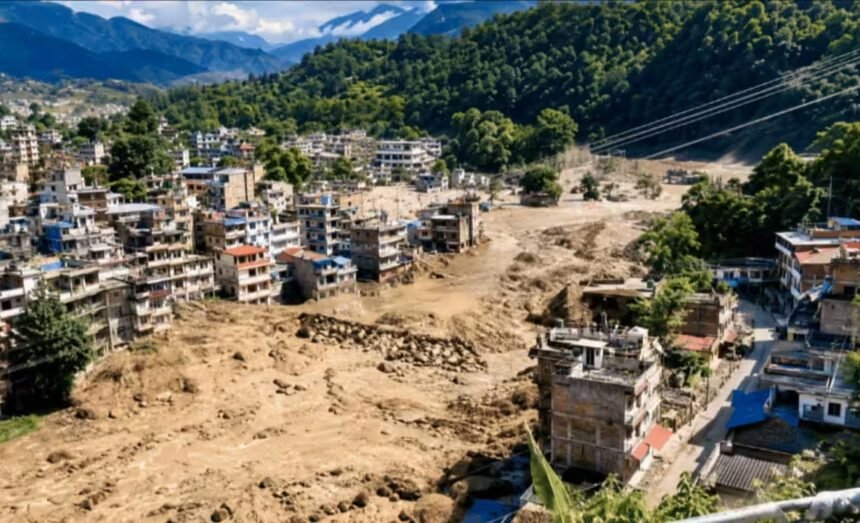

Deadly Nepal Border Flash Floods: Race to Trace Missing Indian Pilgrims as Sonu Sood Delivers 1000s of Relief Supplies
KATHMANDU / NEW DELHI: Multi-agency search and rescue operations have intensified across the rugged mountainous terrain near the Nepal-China border, where emergency responders are racing against time to trace hundreds of missing individuals, including dozens of Indian pilgrims and infrastructure workers. The crisis follows devastating flash floods triggered by sudden glacial collapses and torrential mudslides that swept through border corridors and severed vital road arteries linking northern Nepal to Tibet.
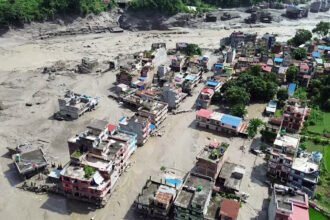
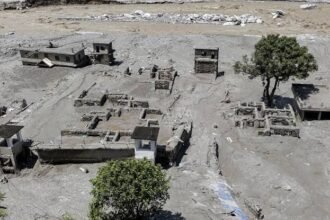
The deluge, which washed away bridges, highway stretches, transit checkpoints, and worker encampments along the Trishuli and Bhotekoshi river basins, has left communities marooned under massive mounds of silt and debris. Indian diplomatic missions in coordination with Nepalese disaster management authorities are actively deploying aerial surveillance, canine units, and specialized rescue personnel to locate stranded citizens who were en route along pilgrimage trails and hydropower construction sites.
- Intensified Rescue Grid: Continuous multi-agency operations combing damaged transit routes, buried border check-posts, and river corridors in Rasuwa and adjoining northern districts.
- Indian Citizens Unaccounted For: Dozens of Indian nationals, including pilgrims undertaking Himalayan journeys and migrant workers deployed at border infrastructure projects, remain untraced.
- Severe Infrastructure Damage: Landslides and swollen tributaries have washed away critical bridges, cutting off direct road access to border settlements.
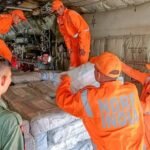
- Immediate Humanitarian Relief: Essential supplies, emergency winter blankets, and food rations being airlifted and transported to ground zero to assist displaced families.
High-Stakes Search for Stranded Pilgrims and Workers
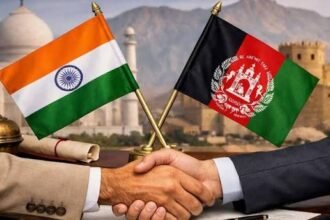
With heavy equipment struggling to traverse collapsed Himalayan routes, rescue personnel have had to negotiate precarious slopes on foot to reach cut-off pockets. Diplomatic hotlines between New Delhi and Kathmandu remain fully operational to cross-reference travel manifests, hotel registries, and worker rosters in an effort to establish communication with families awaiting word on missing loved ones.
Helicopter sorties have been mobilized weather permitting, evacuating critically injured survivors and delivering satellite communication terminals to operational bases. Officials note that while hundreds have been safely guided to relief shelters, the volatile weather and lingering risks of secondary rockfalls continue to pose severe hurdles to the search missions.
Sonu Sood Reaches Ground Zero with Emergency Relief
As governmental responders press ahead with search and evacuation drives, renowned actor and humanitarian Sonu Sood arrived in Nepal alongside his charity foundation team to deliver immediate relief aid to affected families. Moving directly into impacted zones, including damaged settlements along the Trishuli river basin, Sood has overseen the distribution of essential rations, emergency rations, and warm bedding to those whose homes were destroyed by the raging floodwaters.
The actor’s foundation has established logistics channels to transport relief cargo across border transit points, coordinating closely with local civic groups to identify gaps in basic necessities. Beyond immediate sustenance, volunteers are assessing rehabilitation requirements, particularly providing shelters for children and vulnerable families displaced by the deluge.
Regional Implications and Preparedness Warnings
The catastrophe along the Nepal-China border has once again underscored the acute environmental fragility of the broader Himalayan belt. Geologists and disaster-mitigation experts warn that rapidly changing glacial dynamics create catastrophic flood risks for downstream valleys across Nepal, northern India, and surrounding foothills.
As rescue teams continue their painstaking operations to clear boulders and probe buried trails, authorities have urged border travelers to heed weather advisories and avoid non-essential trans-Himalayan movement until access roads are restored and high-altitude river levels stabilize.