

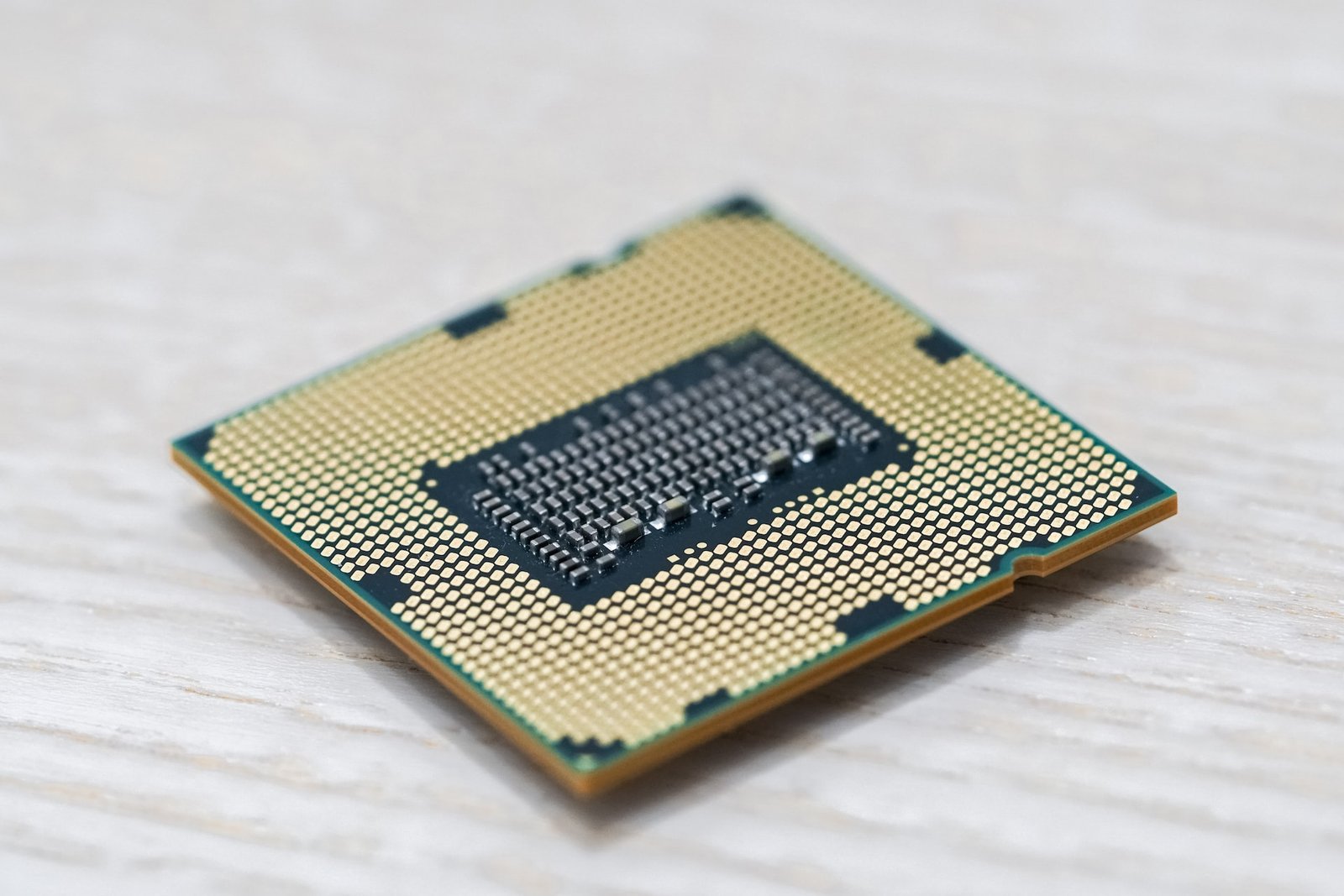

Global Chip Shortage Tightens Grip: Computer Manufacturers Face Severe Production Delays and Soaring Retail Costs
As fabrication bottlenecks intensify across major Asian and Western foundries, personal computer vendors warn of inventory shortfalls, delayed enterprise deliveries, and price escalation throughout the upcoming fiscal quarters.

JAMMU / NEW DELHI: A renewed squeeze across global semiconductor supply chains is threatening to deal a heavy blow to the personal computing and enterprise hardware industry, with major computer manufacturers bracing for extended delivery cycles, production scaling cutbacks, and inevitable consumer price hikes.
Industry analysts and supply chain observers report that the crunch is no longer confined to cutting-edge processor nodes. Crucial secondary components—ranging from power management integrated circuits (PMICs) and microcontroller units to display drivers and wireless transceivers—are facing lead times extending beyond 40 to 52 weeks in critical manufacturing corridors across Taiwan, South Korea, and the United States.
Widespread Disruption Across Hardware Assembly Lines
Global PC titans including HP, Dell, Lenovo, and Acer are wrestling with asymmetric inventory imbalances. While high-performance central processing units (CPUs) and graphics cards remain moderately accessible, the absence of low-cost auxiliary silicon chips is effectively halting complete motherboard assembly lines.
The cascading impact is already spilling into retail markets and regional commercial tenders across India, including Jammu & Kashmir, where educational institutions, government digitisation initiatives, and IT service hubs are experiencing procurement postponements for bulk desktop and laptop consignments.
Key Drivers Behind the Current Bottleneck
Multiple intersecting macroeconomic and structural dynamics have triggered this latest wave of semiconductor constraints:
| Pressure Point | Direct Factor | Impact on PC Ecosystem |
|---|---|---|
| Foundry Capacity Limits | Surge in AI accelerator and automotive chip demand | Foundries prioritizing higher-margin enterprise AI wafers over standard consumer PC silicon. |
| Raw Material Escalation | High costs for electronic-grade silicon, neon, and substrate resins | Fabrication expenses increased by 12% to 18% year-on-year. |
| Geopolitical Realignments | Export licensing constraints and localized buffer stockholding | Extended shipping transit windows and fragmented regional inventories. |
Impact on Consumers and Local Markets
For end consumers in Jammu, Srinagar, and nationwide, the immediate repercussion will likely materialize in hardware retail pricing. Mid-tier personal computers and student laptops could see an upward price correction between 8% and 15% before festive quarter rollouts.
Local electronics dealers at Jammu’s prominent IT trade hubs noted that lead times on specific customized workstation configurations have nearly doubled compared to earlier quarters. Retailers are advising corporate clients and institutional buyers to lock in purchase orders well in advance to prevent project delays.
Long-Term Outlook and Diversification Efforts
While substantial investments under India’s Semiconductor Mission (ISM) and global fabrication plant expansions are underway, industry veterans emphasize that chip fabrication facilities require multi-year gestational timelines before commercial yields reach peak output.
Until greenfield fabrication plants in Gujarat, Europe, and the American Southwest attain full-scale manufacturing throughput, global computer firms will continue navigating a tightrope of allocation quotas, disciplined inventory buffers, and redesigned circuit architectures to mitigate the ongoing chip drought.