


Persian Gulf & Red Sea Tensions Cross Six Months: Unyielding US-Iran Friction Chokes Vital Global Sea Lanes
Prolonged naval standoff, targeted maritime interdictions, and rerouted cargo traffic trigger surging freight rates, transit delays, and elevated war-risk insurance premiums worldwide.
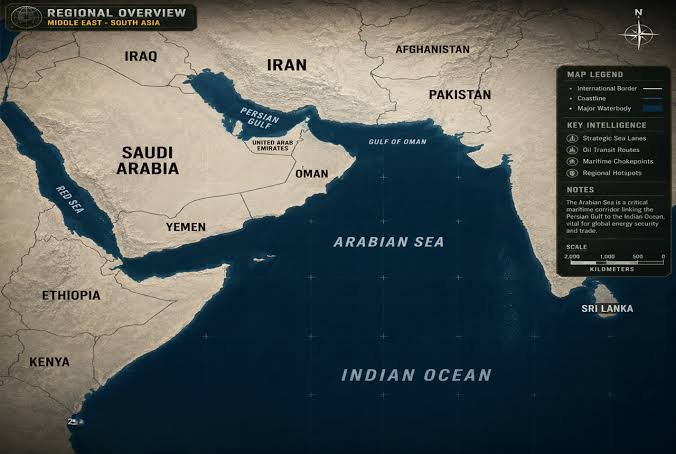
DUBAI / WASHINGTON: Six months of relentless military standoffs, persistent naval blockades, and targeted drone interdictions across the Persian Gulf and the southern Red Sea corridors have locked the United States and Iran in a volatile geopolitical impasse, delivering one of the most severe shocks to international maritime commerce in recent decades.
The extended confrontations, centered on the strategic choke points of the Bab el-Mandeb Strait and the Strait of Hormuz, have forced multinational shipping conglomerates to continually bypass traditional Suez Canal routes. The ongoing friction has turned primary transcontinental shipping lanes into contested operational theaters, compounding global supply-chain vulnerabilities.
- Transit Delays: Sustained rerouting of cargo fleets around Africa’s Cape of Good Hope adds 10 to 14 days to standard voyages between Asia and Europe.
- Escalating Costs: Spot container freight indices and marine fuel surcharges remain elevated at multi-year highs across major east-west corridors.
- Insurance Surge: War-risk premiums for merchant vessels crossing vulnerable Middle Eastern waterways have risen steeply, multiplying voyage overheads.
- Naval Deployment: Increased multi-nation coalition escorts, counter-drone patrols, and interceptor missions struggling to fully restore civilian transit confidence.
“What began as localized naval confrontations has solidified into a semi-permanent logistical crisis. The maritime industry is absorbing sustained operational cost spikes, with freight delays directly feeding into global import inflation.”
— Global Maritime & Trade Logistics Assessment
Maritime Chokepoints Under Sustained Pressure
Over the past half-year, repeated asymmetrical drone attacks, missile launches against commercial vessels, and hostile boardings have destabilized the Red Sea trade artery. The Bab el-Mandeb Strait—which normally channels roughly 12% of total global seaborne commerce and nearly 30% of worldwide container traffic—remains operating at significantly reduced commercial capacity.
Concurrently, elevated naval maneuvers in the Persian Gulf and close-proximity encounters between coalition warships and Iranian naval assets have heightened the risk of accidental escalation, keeping global energy markets and crude oil transport corridors on persistent high alert.
Global Supply Chains and Economic Fallout
The prolonged crisis continues to cascade across global manufacturing, agricultural exports, and retail networks. Ports across the Mediterranean and Northern Europe are grappling with fluctuating scheduling disruptions and container imbalances, while Asian exporting hubs face higher turnaround cycles for empty cargo boxes.
While diplomatic channels continue back-channel efforts to decouple critical commercial shipping lanes from broader regional hostilities, international maritime organizations caution that an immediate return to normal transit frequencies remains improbable without a comprehensive de-escalation framework between the principal regional powers.